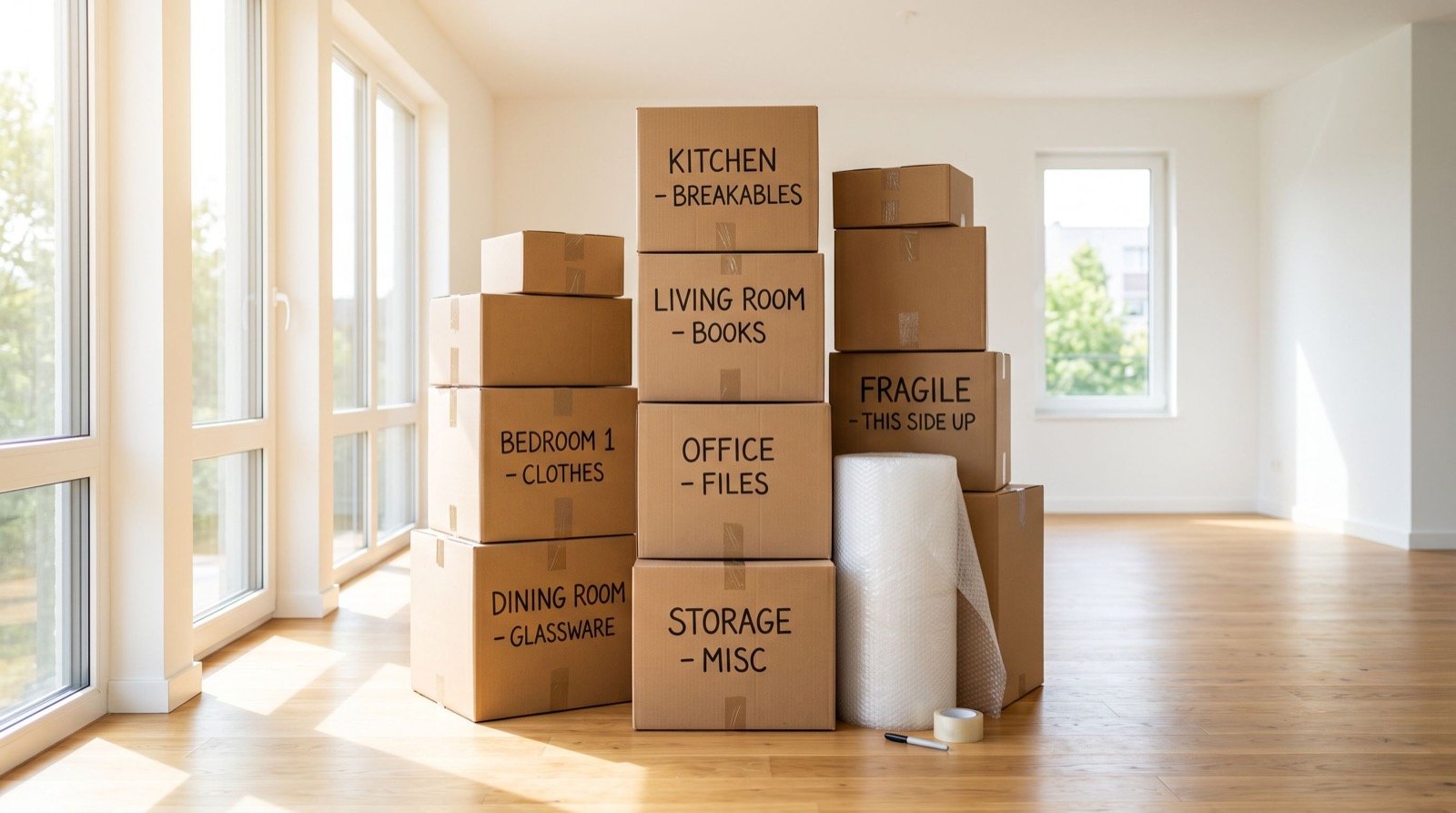

Warehouse Storage in Dubai: The Smart Way to Bridge a Move
When moving dates do not line up, warehouse storage in Dubai becomes the quiet hero of a smooth relocation. A lease that ends on the 25th and a new one that starts on the 1st leaves a gap, and cramming a household into a friend’s spare room rarely ends well. This 2026 guide explains how short- and long-term storage solves overlap problems, protects your belongings, and keeps your move flexible.
From seasonal furniture to an entire villa’s contents between homes, modern storage facilities give Dubai residents a safe, climate-controlled buffer exactly when they need it most.
When warehouse storage in Dubai makes sense
Storage is not only for hoarders or businesses. Everyday movers lean on it for very practical reasons, and recognising your scenario early helps you book the right space.
- Lease gaps: bridging the days between moving out and moving in.
- Downsizing: keeping furniture you are not ready to sell.
- Renovation: clearing rooms while contractors work.
- Overseas travel: securing possessions during long trips abroad.
- Staging: emptying a home to show it or hand it over clean.
Each case benefits from a facility that logs your inventory, controls temperature, and offers insured, monitored access rather than a dusty lock-up.
Climate control matters in the Gulf
Dubai summers routinely push past 45°C, and uncontrolled heat warps wood, cracks leather and damages electronics. Climate-controlled units keep humidity and temperature stable, which is essential for anything sensitive.
Guidance from the US Environmental Protection Agency notes that relative humidity above 60% encourages mould growth, so a regulated unit is not a luxury for fabrics, artwork and documents stored through the Gulf summer.
What to always store climate-controlled
Solid wood furniture, musical instruments, leather sofas, photographs, electronics and important papers all deserve a regulated unit. Patio furniture and sealed plastic bins can usually tolerate standard storage.
Short-term versus long-term storage
Your timeline decides your plan. A two-week bridge is priced differently from a six-month hold, and knowing the difference saves money.
| Need | Typical duration | Best option | Notes |
|---|---|---|---|
| Lease gap | 1–4 weeks | Short-term unit | Fast in/out access |
| Renovation | 1–3 months | Medium-term unit | Partial access handy |
| Overseas stay | 6–12 months | Long-term unit | Full inventory + insurance |
| Business stock | Ongoing | Warehouse racking | Pallet or shelf space |
Longer commitments usually earn a lower monthly rate, so if you know you will need months rather than weeks, say so when you request a quote.
Combining a move with storage the easy way
The cleanest approach is to hire one company for both the move and the storage. When the same crew packs, transports and stores your items, nothing is handled twice and accountability stays in one place. Residents relocating from communities like the Meadows or working with movers in The Springs often fold a storage stop directly into the moving schedule.
Ask whether the mover operates its own secure facility. Providers offering warehouse storage Dubai under the same roof can give you a single inventory list, one invoice, and a seamless handover when your new home is ready.
Build a storage inventory
Photograph valuable items, number every box, and keep a shared spreadsheet. A clear inventory speeds up retrieval and makes any insurance claim straightforward.
How do you choose a secure storage facility?
Not all units are equal. Before you commit, verify the security and service standards that protect your belongings for the full term.
- Confirm 24/7 CCTV, controlled access and on-site staff.
- Check that units are clean, dry and pest-controlled.
- Ask about insurance coverage and whether it is included or extra.
- Review access hours and any retrieval fees.
- Read recent customer reviews for reliability.
Partnering with trusted professionals who document every item gives you peace of mind that your possessions are exactly where they should be.
Packing for the warehouse, not just the truck
Items bound for storage need tighter packing than items going straight to a new home. Use uniform boxes for stable stacking, disassemble bed frames to save space, and never store anything damp. Leave a small aisle in your unit so you can reach the back without unloading everything.
Place the items you are most likely to need near the front, and store heavy boxes low with lighter, fragile ones on top. Cover upholstered furniture with breathable sheets rather than plastic, which traps moisture, and raise everything slightly off the floor on pallets or planks. These habits keep a long-term unit organised, ventilated and easy to work in whenever you visit.
What you should never put into storage
Knowing what to keep out of a unit is as important as knowing what to store. Facilities across the UAE prohibit certain items for safety and legal reasons, and breaking the rules can void your agreement.
- Perishable food: it attracts pests and spoils quickly in the heat.
- Flammables: gas cylinders, petrol, paint and aerosols are banned.
- Living things: plants and pets cannot be stored, obviously.
- Valuables and documents: keep passports, jewellery and cash with you.
- Damp items: anything moist invites mould in a sealed unit.
Before loading your unit, dry and clean everything thoroughly. Defrost and wipe down the fridge, empty the washing machine drum, and let outdoor furniture dry fully. A single damp cushion can taint a whole unit over a long summer.
Retrieving your items smoothly
When the new home is finally ready, a clear inventory turns collection into a quick task rather than a treasure hunt. Tell your provider in advance so staff can prepare access, and bring your inventory list to tick items off as they come out.
If your mover handled both the storage and the relocation, delivery from the warehouse to your new address is simply the final leg of the same job. Confirm the delivery date, the lift booking at the destination, and whether reassembly of beds and wardrobes is included. This joined-up approach is why so many residents prefer a single provider for the whole move-store-deliver cycle rather than stitching together separate companies and hoping the handovers line up.
Frequently Asked Questions
How much does warehouse storage in Dubai cost?
Prices vary with unit size and term, but small climate-controlled units often start in the low hundreds of dirhams per month. Longer commitments and shared warehouse racking usually reduce the monthly rate.
Is climate-controlled storage necessary in Dubai?
For wood, leather, electronics, documents and artwork, yes. The region’s heat and humidity can cause warping and mould, so regulated units are strongly recommended for anything sensitive.
Can movers store my items between homes?
Many full-service movers offer integrated storage. They pack, transport and store your goods, then deliver to your new address when it is ready, all tracked on one inventory list.
How secure are storage warehouses?
Reputable facilities provide CCTV, controlled access, fire protection and optional insurance. Always confirm these features and request a copy of the insurance terms before signing.
Conclusion
Used wisely, warehouse storage in Dubai turns a stressful lease gap into a non-event and keeps your belongings safe through heat, renovations or travel. Choose a clean, climate-controlled, insured facility, keep a clear inventory, and ideally let one company handle both the move and the storage. Planning a relocation in 2026? Ask your mover about integrated storage today and keep your transition flexible and secure.