Few home upgrades give you back as much as solar does. Once the panels are installed on your roof, the sun quietly does the rest – trimming your bills month after month, year after year, with almost no effort on your part. But like any investment, getting it right matters. The equipment you choose, the way it’s installed, and the company you trust all shape how much you ultimately save. This guide breaks the whole process down in plain language.
Solar power is one of those rare decisions that is good for your wallet and good for the planet at the same time. Yet for many first-time buyers, the process can feel confusing – full of technical terms, competing quotes, and big promises. This guide cuts through the jargon and gives you a clear, honest path forward, so you can invest in solar knowing exactly what you’re getting and why it’s worth it.
On-Grid, Off-Grid or Hybrid?
There are three main types of solar systems, and choosing the right one is one of your most important decisions. On-grid systems are the most affordable and work alongside the utility, using net metering to offset your bills. Off-grid systems run completely independently with battery backup, ideal where the grid is unreliable or absent. Hybrid systems give you the best of both worlds – grid connection plus battery backup for outages. The right choice depends on your budget, your location, and how often your area loses power.
Lower Bills, Month After Month
The most immediate and satisfying benefit of solar is the one you feel directly in your pocket. A properly sized system can offset a large share of your household’s monthly consumption, and with net metering you can even send surplus power back to the grid for credit. Instead of watching your bill climb every summer as the air conditioning runs, you watch it shrink. Over the twenty-five-year life of a quality system, those monthly savings compound into a very substantial sum – often several times the original cost of the installation. That’s exactly why it pays to work with a Best solar company in pakistan that knows the local market inside out.
Understanding How Solar Works
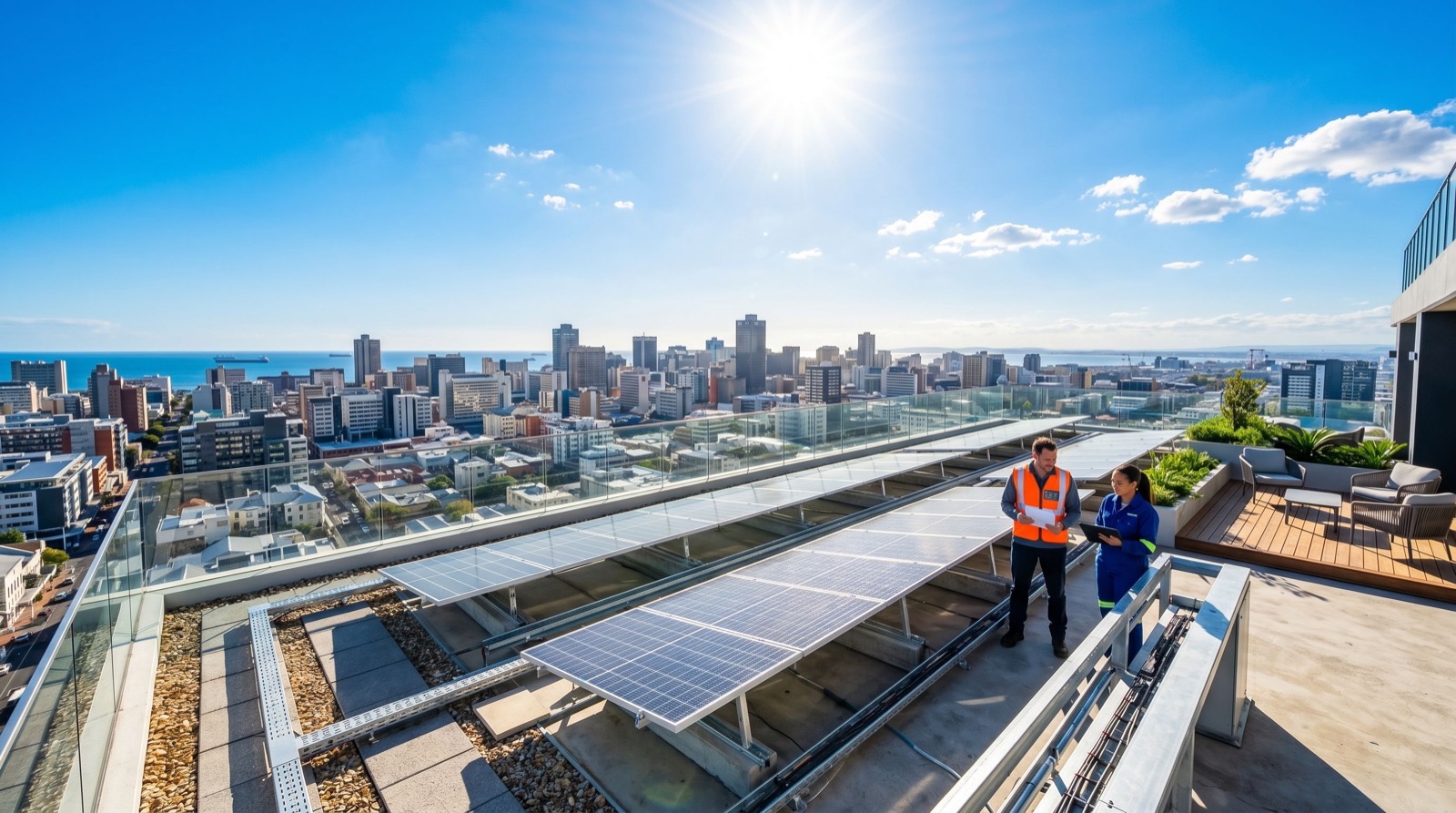
The core idea behind solar is refreshingly simple. Panels on your roof capture sunlight and convert it into direct-current electricity. An inverter then transforms that into the alternating current your home actually uses. Any power you don’t use immediately is either stored in a battery for later or exported to the grid. A good installer designs this whole chain – panels, inverter, wiring, and optional battery – around your real usage patterns, so nothing is wasted and every component is sized correctly for your home.
Why Solar Makes Sense Right Now
Grid electricity keeps getting more expensive, while the cost of solar equipment has fallen dramatically over the last decade. That combination has completely flipped the math in favour of homeowners. A system that once took many years to pay for itself now does so far faster, and every fresh increase in tariffs only shortens that payback period further. On top of the savings, generating your own power gives you a level of independence and predictability that a rising monthly bill simply can’t offer. For most families, waiting only means paying more to the grid in the meantime. Reliable, experienced local expertise counts everywhere, including with quality service providers.
The Real Return on Investment
It helps to think of solar less as an expense and more as prepaying years of electricity at a steep discount. Most well-designed home systems recover their full cost within a few years, and then continue delivering essentially free power for two decades or more. Few investments available to an ordinary household offer that combination of certainty, longevity, and steadily rising value as grid prices climb. When you run the numbers over the life of the system, solar consistently outperforms leaving your money in the bank.
Quality Equipment Matters
Not all panels and inverters are created equal, and this is where many homeowners are tempted to cut corners. Tier-one panels and reputable inverters cost a little more upfront, but they deliver higher output, longer warranties, and far fewer headaches over the decades you’ll own them. Cheap components may save you a small amount today, only to underperform, degrade quickly, or fail early – wiping out the savings you were chasing. Investing in proven equipment is the single best way to protect your long-term return. If you’re ready to make the switch, finding the Best Solar Company is the single most important step you can take.
Key Takeaways
- On-Grid, Off-Grid or Hybrid?: There are three main types of solar systems, and choosing the right one is one of your most important decisions.
- Lower Bills, Month After Month: The most immediate and satisfying benefit of solar is the one you feel directly in your pocket.
- Understanding How Solar Works: The core idea behind solar is refreshingly simple.
- Why Solar Makes Sense Right Now: Grid electricity keeps getting more expensive, while the cost of solar equipment has fallen dramatically over the last decade.
- The Real Return on Investment: It helps to think of solar less as an expense and more as prepaying years of electricity at a steep discount.
- Quality Equipment Matters: Not all panels and inverters are created equal, and this is where many homeowners are tempted to cut corners.
The Bottom Line
The sun is free – the real trick is capturing it properly. Get the equipment, the design, and the installer right, and a rooftop system will quietly reward you year after year with clean, reliable, low-cost power. If you’ve been sitting on the fence, there has genuinely never been a better time to take the first step.
At its heart, solar is about freedom – freedom from rising tariffs, from constant outages, and from the anxiety of the next bill. With a well-built system and a trustworthy partner guiding you, that freedom is well within reach. The sooner you start, the sooner your home begins generating its own clean, affordable energy.