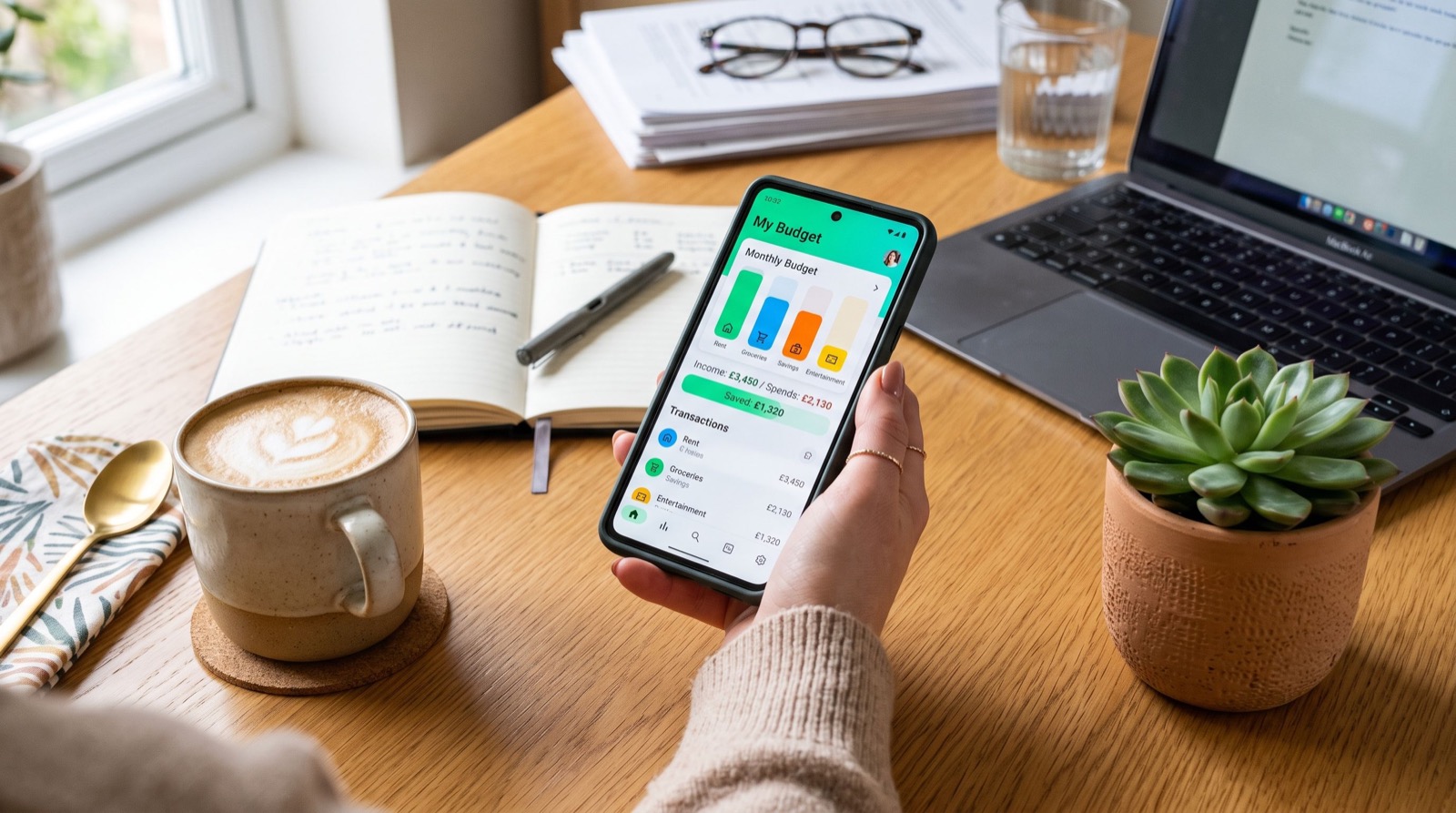

Personal Finance Tips 2026: Smart Money Habits That Work
Building wealth rarely comes from one dramatic move. It comes from small, repeatable choices you make every week. These personal finance tips for 2026 focus on the habits that reliably grow your savings, shrink your stress, and put you in control of your money, no matter your income. If you have ever felt overwhelmed by budgets, debt, or investing jargon, this guide strips it back to the basics that actually move the needle.
The best part is that none of these habits require a finance degree. They require consistency, a few simple tools, and a willingness to start today rather than “someday.”
Personal Finance Tips That Build a Strong Foundation
Before chasing high returns or complex strategies, secure the fundamentals. A stable base protects you when life throws surprises, and it makes every later decision easier. The Consumer Financial Protection Bureau emphasizes that an emergency cushion and steady saving habits are the strongest predictors of long-term financial health. You can explore their free resources at consumerfinance.gov.
Start with these four pillars:
- An emergency fund covering three to six months of expenses.
- A simple budget that tells every dollar where to go.
- A debt payoff plan that targets high-interest balances first.
- Automatic saving so progress happens without willpower.
Get these right and you rarely have to worry about a single bad month derailing your goals.
The 50/30/20 Framework, Simplified
One of the easiest ways to organize spending is a percentage-based plan. It removes guesswork and adapts to any income level.
| Category | Share of Take-Home Pay | Examples |
|---|---|---|
| Needs | 50% | Rent, groceries, utilities, insurance |
| Wants | 30% | Dining out, streaming, hobbies, travel |
| Savings & debt | 20% | Emergency fund, investing, extra debt payments |
Treat these as targets, not rigid rules. If your rent is high, trim wants first and protect the savings line as long as you can.
How Do You Actually Stick to a Budget?
Most budgets fail not because the math is wrong but because they rely on memory and willpower. Automation fixes that. Set up your system once and let it run:
- Direct part of every paycheck straight into savings before you can spend it.
- Automate fixed bills to avoid late fees and mental clutter.
- Use a budgeting app to categorize spending without manual entry.
- Schedule a short weekly review to catch problems early.
- Adjust categories monthly as your life changes.
Pairing these habits with the right money apps makes the whole process nearly effortless. The app does the tracking; you make the decisions.
Attacking Debt the Smart Way
High-interest debt is the biggest drag on most budgets. Two proven methods help you pay it down:
- The avalanche method: pay minimums on everything, then throw extra cash at the highest-interest balance. This saves the most money over time.
- The snowball method: pay off the smallest balance first for quick wins that keep you motivated.
Both work. Choose the one you will actually stick with, because consistency beats theoretical efficiency every time.
Growing Your Money Once the Basics Are Set
After you have an emergency fund and a debt plan, it is time to let your money grow. Investing early matters more than investing perfectly, thanks to compound growth. Even small, regular contributions add up dramatically over the years.
Follow these guidelines:
- Capture any employer retirement match; it is free money.
- Automate monthly contributions to a low-cost index fund.
- Keep fees low, since small percentages compound against you over decades.
- Ignore short-term market noise and stay invested.
For more approachable strategies, our library of personal finance tips covers investing, saving, and budgeting in plain English. You do not need to be an expert to start building real wealth.
Common Money Mistakes to Avoid
Steering clear of these traps protects your progress:
- Carrying a credit card balance and paying interest every month.
- Skipping an emergency fund and relying on credit for surprises.
- Lifestyle creep, where spending rises to match every raise.
- Waiting for the “perfect” time to start investing.
If you want personalized guidance, working with dependable specialists can help you build a plan tailored to your goals and income.
Making These Habits Stick All Year
Knowing what to do is easy; doing it consistently is where most plans fall apart. The trick is to reduce friction so good behavior becomes the default. When saving and bill-paying happen automatically, you no longer rely on motivation, which fades quickly.
Build Systems, Not Willpower
Willpower is a limited resource. Systems are not. Instead of promising to save “whatever is left over,” automate a transfer the day your paycheck arrives. Instead of remembering every due date, schedule automatic payments. Design your finances so the right thing happens even on your busiest, most distracted weeks.
Track Progress You Can See
Motivation grows when you can watch numbers move. Try these visible milestones:
- Your first $1,000 in emergency savings.
- One full credit card paid off completely.
- Three months of expenses saved.
- Your first automated investment contribution.
Celebrate each milestone. Positive reinforcement keeps you engaged far longer than guilt or pressure ever will.
Review and Adjust Quarterly
Life changes, and your plan should too. Every three months, spend thirty minutes reviewing your budget, savings rate, and debt balances. Raises, new expenses, and shifting goals all call for small adjustments. This quarterly check-in keeps your system aligned with your real life rather than an outdated snapshot.
Frequently Asked Questions
How much should I keep in an emergency fund?
Aim for three to six months of essential expenses. If your income is irregular, lean toward the higher end. Start with a small goal, such as $1,000, and build from there.
Should I pay off debt or save first?
Build a small starter emergency fund first, then focus on high-interest debt. Once that debt is gone, redirect those payments toward larger savings and investing goals.
What is the easiest budgeting method for beginners?
The 50/30/20 framework is simple and flexible. Split take-home pay into needs, wants, and savings. Automation and a budgeting app make it even easier to maintain.
When should I start investing?
As soon as you have an emergency fund and a handle on high-interest debt. Starting early, even with small amounts, gives compound growth more time to work in your favor.
Final Personal Finance Tips to Remember
These personal finance tips work because they are simple and repeatable. Secure your emergency fund, automate your saving, attack high-interest debt, and invest steadily for the long term. You do not need a big income or perfect timing; you need consistent habits and a system that runs even on your busy weeks. Every small choice compounds into lasting financial confidence.
Ready to build better money habits? Visit WalletWisp for step-by-step guides, app comparisons, and practical strategies that help you save more and stress less starting today.