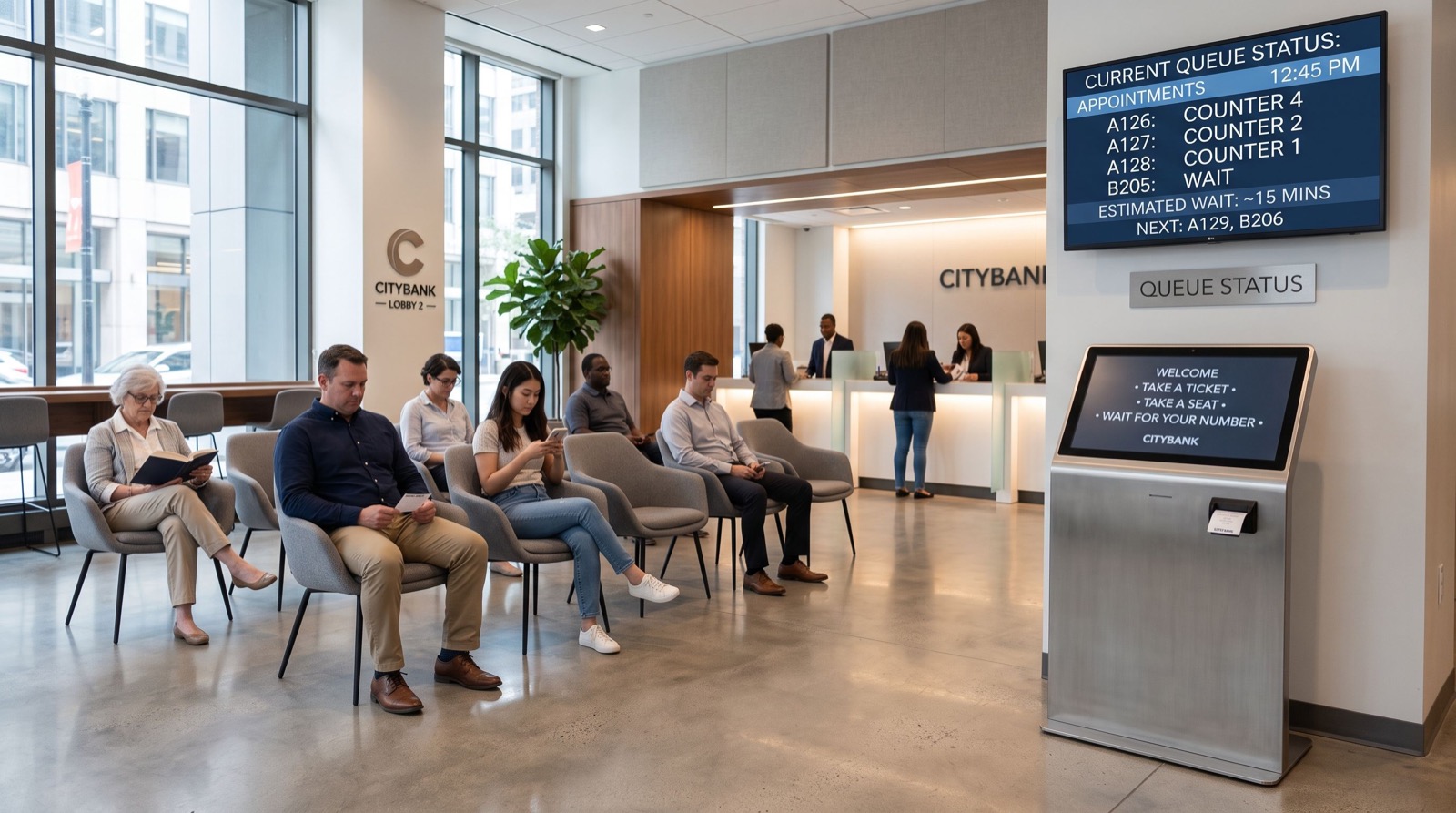

Walk into almost any mid-sized office in Lahore, Karachi, or Islamabad and you will find the same scene: a tangle of analog lines behind the reception counter, a front-desk officer juggling two handsets, and a manager complaining that an important client “called but couldn’t get through.” Nobody logs those failed calls. No report lands on anyone’s desk at month end. The revenue simply leaks away, one busy tone at a time.
That leak is the strongest argument for IP telephony — not the buzzwords, not the glossy dashboards, but the plain fact that a modern phone system is engineered to make sure a ringing customer reaches a human being. This article looks at what the switch actually involves for a Pakistani business, where the real costs hide, and how to avoid buying more technology than your office genuinely needs.
The Real Price of a Busy Tone
An analog line can carry exactly one conversation. When your only advertised number is engaged, the next caller hears a busy tone and, more often than not, dials a competitor instead. Studies of consumer behaviour consistently show that a large share of callers never attempt a second call. For a services firm quoting jobs worth hundreds of thousands of rupees, even two lost enquiries a week adds up to a painful annual figure that never appears in any ledger.
The damage is not limited to lost sales. Staff burn time relaying messages on paper slips, follow-ups slip through the cracks, and there is no record of who called, when, or how long they waited before hanging up. If you cannot measure your call traffic, you cannot improve it. That is not a people problem; it is a plumbing problem, and it has a plumbing solution.
What Actually Changes When You Switch
IP telephony moves your calls onto your data network. Instead of one copper pair per conversation, calls travel as data packets over broadband, which means a single connection can carry many simultaneous conversations. A PBX — the software brain of the system — decides how every call is routed: ring the sales team first, overflow to a mobile after twenty seconds, play a menu after hours, or queue callers with a courteous message instead of a dead busy tone.
Just as important, everything is logged. You can see how many calls arrived on Monday morning, how many were abandoned, and which extension answered fastest. Call recordings settle disputes with customers in minutes rather than days. Extensions stop being tied to a physical wall socket, so a salesperson can carry their office number home during a smog closure, a strike day, or a simple office relocation, and callers notice nothing.
Choosing Hardware Without Overspending
The handset market splits broadly into three tiers, and the discipline lies in refusing to buy the same phone for every desk. Back-office staff need a dependable basic model with clear audio and little else. Team leads benefit from a colour screen and a handful of programmable keys. The front desk is a different animal altogether: an operator transferring dozens of calls an hour needs equipment designed specifically for that workload.
This is where a flagship device such as the Fanvil X210 earns its keep. With large paired displays and more than a hundred programmable DSS keys, an operator can see at a glance which extensions are free or busy and pass a caller through with a single touch instead of reciting extension numbers from memory. On one high-traffic reception counter, that single phone recovers more wasted minutes than a dozen upgrades scattered elsewhere in the building.
Local Realities: Power, Bandwidth, and Backup
Pakistani offices face two practical constraints that international buying guides cheerfully ignore: electricity and internet reliability. The encouraging news is that both are solved with planning rather than money. Power-over-Ethernet switches let handsets draw current through the network cable itself, so one modest UPS on the comms cabinet keeps the entire phone system alive through load shedding, with no power adapters cluttering desks or tripping breakers.
Bandwidth is less of an obstacle than most owners fear. A single voice call consumes roughly 100 kbps in each direction, so even a mid-range fibre package comfortably carries a dozen conversations at once. The genuine risk is jitter from a saturated connection, which is why any competent installer will configure quality-of-service rules on your router and, ideally, a second internet line that takes over automatically if the first one drops.
Questions to Ask Any Vendor Before You Sign
A phone system is a ten-year relationship, not a one-off purchase. Before committing to anyone, put these questions to every supplier on your shortlist:
- Can you port our existing numbers across, and exactly how many working days will the transfer take?
- What happens to inbound calls if our internet fails — will they divert to designated mobiles automatically?
- Are the handsets stocked locally, with warranty claims handled inside Pakistan rather than shipped abroad?
- Will you sit with our receptionist and staff to train them on transfers, conferencing, and voicemail?
- What will adding one more extension cost next year, counting both hardware and any licensing?
Suppliers who deal in recognised brands are simply easier to hold accountable. Dealers offering Fanvil IP Phones in Rawalpindi and other major cities, for instance, can usually demonstrate the exact models on a live system before you pay, which tells you far more about real-world performance than any specification sheet ever will.
Start Small, Prove It, Then Scale
You do not need to rip out every phone on day one. A sensible pilot puts the new system into one department — usually sales, where missed calls hurt most — and runs it alongside the old lines for a month. Compare answered-call figures before and after. The numbers, not the salesperson, will make the expansion decision for you, and your team will have a month of low-pressure practice behind them.
The same buying discipline applies to any infrastructure decision a business or household makes. Homeowners researching rooftop panels are routinely warned that an experienced local team matters more than the brand printed on the box, and office telephony obeys the identical rule: the installer’s competence decides whether you enjoy the technology or spend a year fighting it.
The businesses winning on customer service in Pakistan right now are rarely the ones with the largest marketing budgets. They are the ones that reliably answer the phone. Fixing that is cheaper, faster, and more measurable than almost any other investment you will weigh up this year — and unlike an advertising campaign, it keeps paying you back long after the invoice is forgotten.